Safety doesn’t start with policy—it starts with conversation. When a team gathers on-site for five minutes before a shift, that’s where real prevention happens. Yet too many supervisors stall, unsure what to say or where to find reliable, relevant content. The result? Missed opportunities, recurring risks, and a culture where safety feels like compliance, not commitment.
The solution isn’t expensive software or certified trainers. It’s access to practical, free toolbox talk safety topics that resonate with workers and reflect real-world conditions. This guide delivers exactly that—actionable content you can use today, without cost or complexity.
Why Free Toolbox Talk Safety Topics Matter
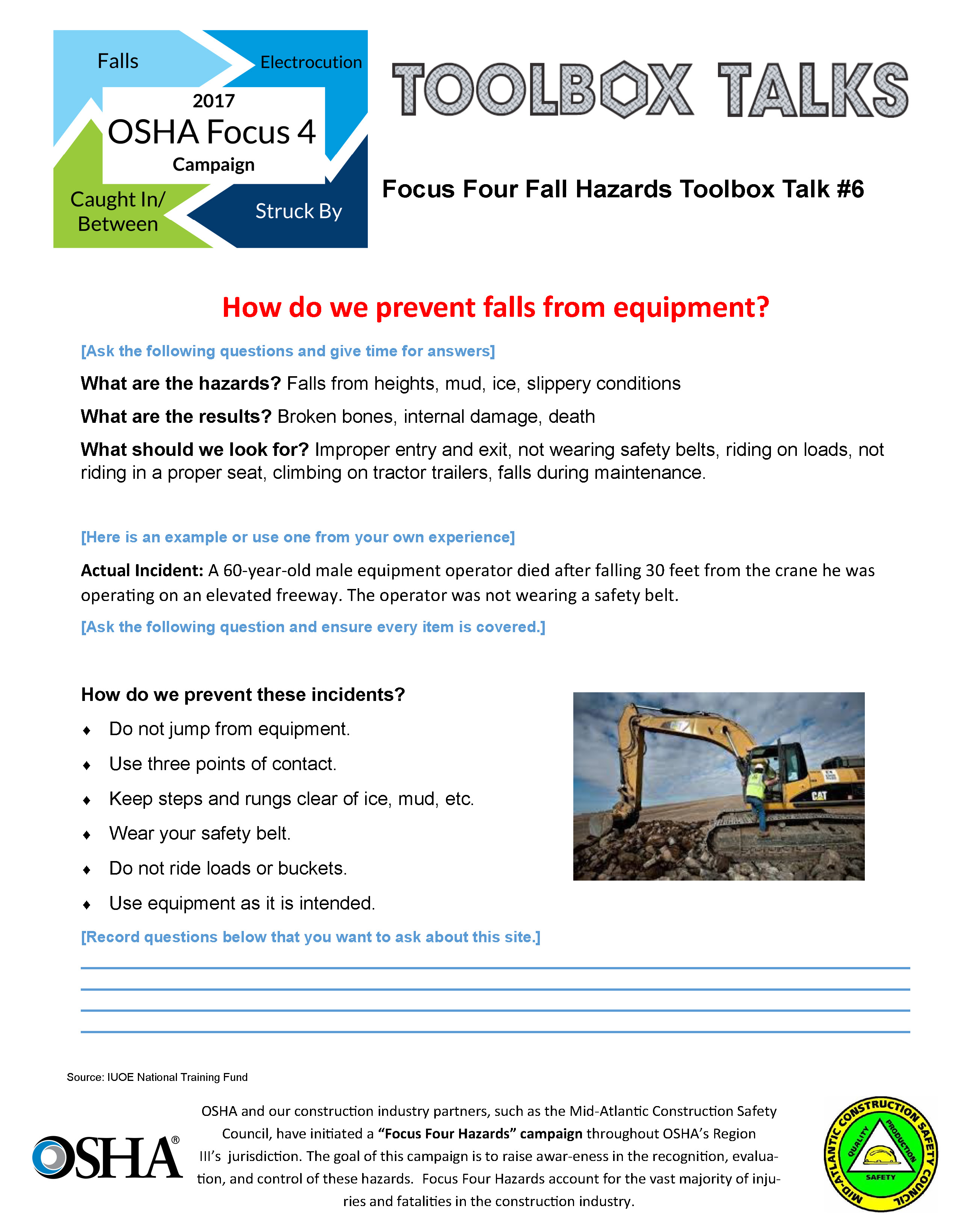
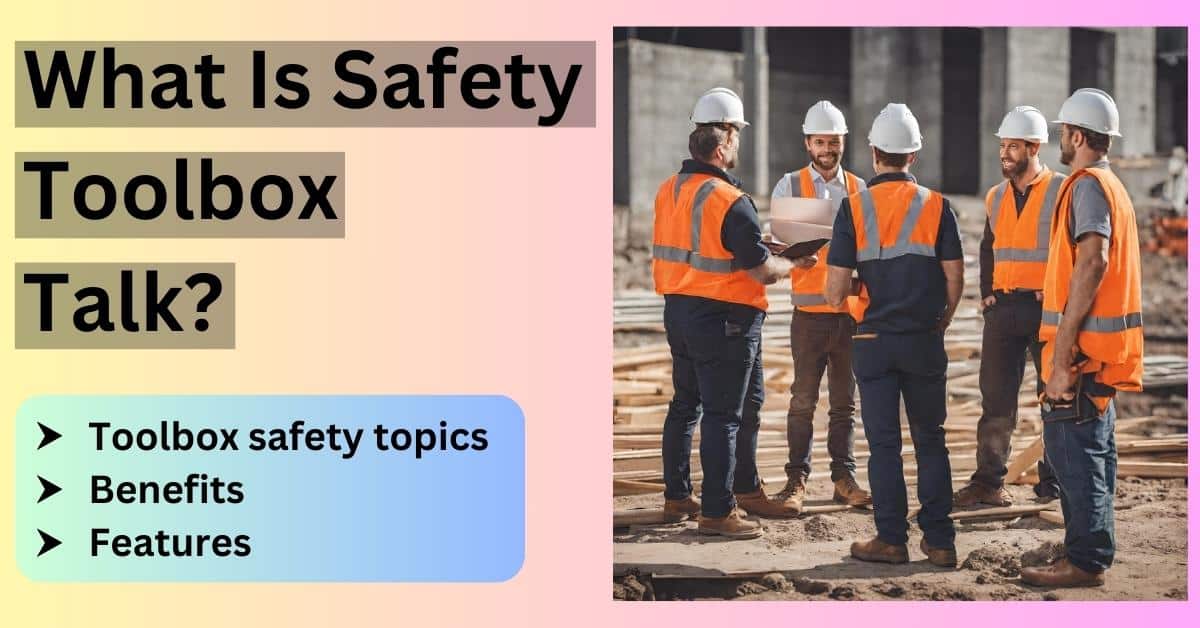
Toolbox talks are short, focused safety discussions held at the job site—usually 5 to 15 minutes long. Their power lies in immediacy. Unlike formal training, they address current conditions: weather changes, new equipment, or a near-miss the day before.
Free safety topics remove barriers. Small contractors, volunteer crews, or overburdened safety officers don’t need to reinvent the wheel. They need structured, credible content they can adapt fast.
But not all free topics are equal. Weak ones are vague (“Stay safe today!”) or too generic (“Be aware of hazards”). Strong ones do three things: - Name a specific hazard - Offer a clear action step - Invite worker input
For example, instead of “Slips and Falls,” a better topic is: “Wet Surfaces on Stairs: What We’re Doing Differently This Week.” That version links directly to site conditions and empowers crews to act.
5 High-Impact Free Toolbox Talk Topics (With Examples)
These proven topics are widely used because they address frequent, high-risk scenarios. Each includes a real-world example and a prompt to drive engagement.
#### 1. Ladder Safety: Are You Climbing It Right? Use case: Rooftop HVAC repair in summer heat. Hazard: Ladders slipping due to uneven ground or improper angle. Talk focus: The 4:1 rule (for every 4 feet of height, move the base 1 foot out), three-point contact, and checking for damage. Example: “Yesterday, we saw a ladder shift on loose gravel. Today, we’re using a base plate and assigning a spotter. Who’s had a close call on a ladder?”
#### 2. Hand Tool Hazards: Small Tools, Big Injuries Use case: Electrical panel installation. Hazard: Damaged pliers causing electrical contact or crushed fingers. Talk focus: Inspecting tools before use, proper storage, and PPE (e.g., cut-resistant gloves). Example: “That cracked hammer handle isn’t just inconvenient—it’s dangerous. If you see damaged tools, tag them immediately. Has anyone reported a tool this week?”
#### 3. Working at Heights: Fall Prevention Check Use case: Steel erection on a mid-rise project. Hazard: Unsecured harnesses or lifelines routed incorrectly. Talk focus: Anchor point checks, lanyard length, and rescue plans. Example: “We had a near-miss when a lanyard detached during a shift change. Today, we’re reconfirming all hooks are double-locking. Show me your harness D-ring.”
#### 4. Hazard Communication: Understanding GHS Labels Use case: Painting crew using new solvent-based primer. Hazard: Inhaling fumes due to misread safety symbols. Talk focus: Breaking down GHS pictograms, signal words (Warning vs. Danger), and SDS access. Example: “That skull-and-crossbones means ‘toxic’—not just ‘be careful.’ Who’s reviewed the SDS for today’s paint?”
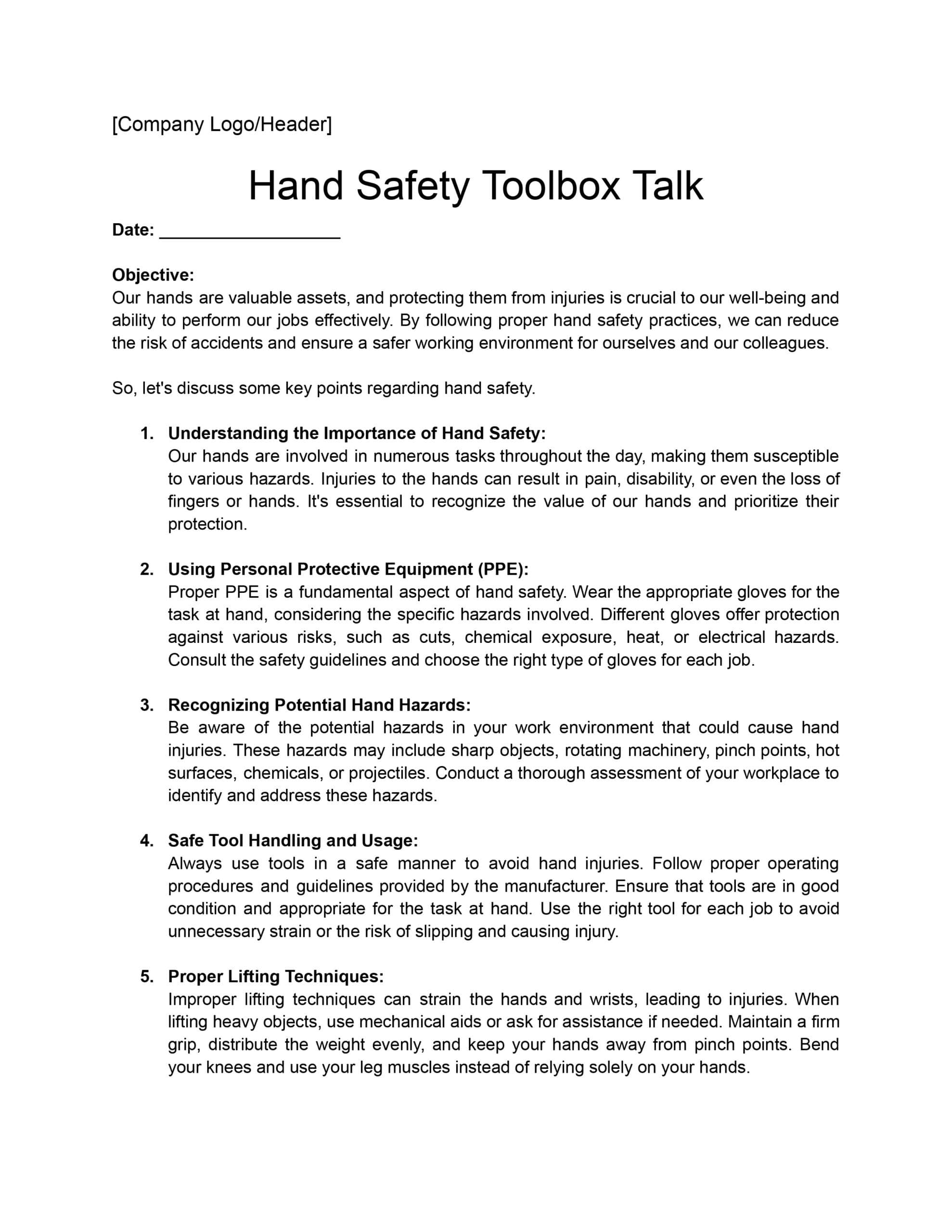
#### 5. Fatigue and Mental Awareness Use case: Night shift roadwork crew. Hazard: Reduced alertness leading to vehicle incursions. Talk focus: Signs of fatigue (blinking slowly, missing cues), buddy checks, and hydration. Example: “If you’re yawning behind the cone truck, you’re not safe. Pair up: tag your partner if you see signs. Did anyone work overtime yesterday?”
These topics work because they’re specific, timely, and interactive. They don’t just inform—they create accountability.
Where to Find Reliable Free Toolbox Talk Resources
Not all free content is trustworthy. Some sites host outdated OSHA references or poorly translated materials. The best sources are government agencies, industry associations, and safety nonprofits with real-world experience.
Here are 5 trusted sources offering high-quality, free toolbox talk safety topics:
| Resource | Key Strengths | Best For |
|---|---|---|
| OSHA.gov (U.S. Department of Labor) | Official guidelines, multilingual options | Regulatory alignment, construction |
| Canadian Centre for Occupational Health and Safety (CCOHS) | Thousands of pre-written talks, printable formats | Canadian teams, diverse industries |
| National Safety Council (NSC.org) | Data-driven topics, seasonal alerts | Behavioral safety, fatigue, driving |
| Safe Work Australia | Clear templates, risk assessment links | Site supervisors, safety reps |
| HSE UK (hse.gov.uk) | Practical checklists, legal compliance | International projects, EU standards |
These platforms offer PDFs, editable templates, and even slide decks—no signup required. For example, OSHA’s “Quick Cards” summarize key points on one page, perfect for handing out before a shift.
Avoid random blogs or PDFs from unknown domains. They may contain incorrect safety thresholds or outdated procedures—especially for PPE or chemical exposure.
Common Mistakes That Undermine Toolbox Talks
Even with great content, delivery can fail. These pitfalls sabotage effectiveness:
- Reading verbatim: Workers disengage when talks feel robotic. Use bullet points, not scripts.
- Ignoring site conditions: Talking about ice in July discredits the process. Tailor each topic.
- No follow-up: If hazards are reported but never addressed, trust erodes.
- One person talks, everyone nods: Engagement drops without questions or stories.
- Fix this by adopting the “3-Question Rule”:
- What’s the hazard?
- How could it happen here?
- What will you do differently?
This framework turns passive listeners into active participants.
How to Customize Free Topics for Your Team
Generic content fails when it doesn’t reflect real work. Customize every talk with three steps:
- Insert site-specific details
- Replace “a construction site” with “the west-side excavation pit.” Name actual equipment, shifts, or past incidents.
- Add local rules
- If your company requires double-checking rigging straps, mention it. Workers need to know what’s expected here, not just in theory.
- Include recent observations
- “After the dropped socket yesterday, we’re reviewing tool tethering.” This links talks to real events.
Example: A free topic on “PPE Compliance” becomes sharper as: > “Last week, two workers were in the crane zone without hard hats. Today, we’re reminding everyone: hard hat, vest, and steel toes—every time you cross the yellow line.”
Integrating Free Safety Topics Into Your Workflow
The best talks are part of a rhythm, not an afterthought. Fit them into existing processes:
- Daily start-up: 10 minutes before roll call. Rotate facilitators to build leadership.
- Post-incident debriefs: Use a relevant topic within 24 hours of a near-miss.
- New task kickoff: Before starting demolition, discuss dust control and respiratory protection.
Track participation with a simple sign-in sheet. Not for punishment—use it to spot gaps. If the same people miss talks, find out why.
Save time by building a monthly safety calendar. Pull 20 topics from free sources, assign them weekly, and adjust as needed. Rotate themes: fall protection, electrical safety, machine guarding, ergonomics.
Real Use Case: How a Roofing Crew Reduced Incidents by 60%
A 12-person roofing crew in Texas struggled with heat stress and dropped tools. Their supervisor started using free OSHA heat illness talks every Monday in summer, paired with water break reminders. They added a “tool tether check” each morning using a CCOHS handout.
Within two months: - No heat-related incidents - 80% reduction in dropped object reports - Crew began submitting their own safety ideas
The change wasn’t due to new equipment or fines—it came from consistent, relevant conversations using free, accessible content.
Free toolbox talk safety topics aren’t just cost-saving—they’re force-multipliers. They let small teams act like safety professionals, turning routine huddles into moments of real prevention. The best ones are specific, actionable, and grounded in real work. Use trusted sources, customize for your site, and engage workers with questions—not lectures.
Start today: pick one high-risk area, download a free topic from OSHA or CCOHS, and talk about it before the next shift begins. That five-minute conversation could prevent the next injury.
FAQ
What should you look for in Top Free Toolbox Talk Safety Topics for Any Workplace? Focus on relevance, practical value, and how well the solution matches real user intent.
Is Top Free Toolbox Talk Safety Topics for Any Workplace suitable for beginners? That depends on the workflow, but a clear step-by-step approach usually makes it easier to start.
How do you compare options around Top Free Toolbox Talk Safety Topics for Any Workplace? Compare features, trust signals, limitations, pricing, and ease of implementation.
What mistakes should you avoid? Avoid generic choices, weak validation, and decisions based only on marketing claims.
What is the next best step? Shortlist the most relevant options, validate them quickly, and refine from real-world results.