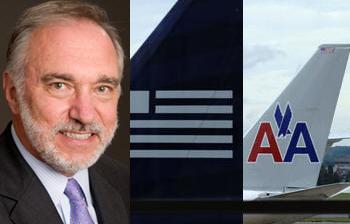
Scott Kirby, CEO of United Airlines, has launched a rare public broadside against American Airlines, accusing the carrier of refusing to engage in merger discussions that could reshape the U.S. aviation landscape. The sharp critique underscores growing frustration among top executives over strategic stagnation and competitive imbalance in an industry still recovering from pandemic-era turbulence.
This isn’t a routine corporate spat. It’s a signal flare from one of commercial aviation’s most influential leaders, suggesting that without consolidation, U.S. airlines may struggle to maintain global competitiveness—especially against well-funded Middle Eastern and Asian carriers with state backing.
Kirby’s comments come amid rising operational costs, tightening profit margins, and increasing pressure to modernize fleets and upgrade customer experiences. His argument: if American Airlines won’t talk, the entire industry loses momentum.
Why United Wants a Merger—And Why American Said No
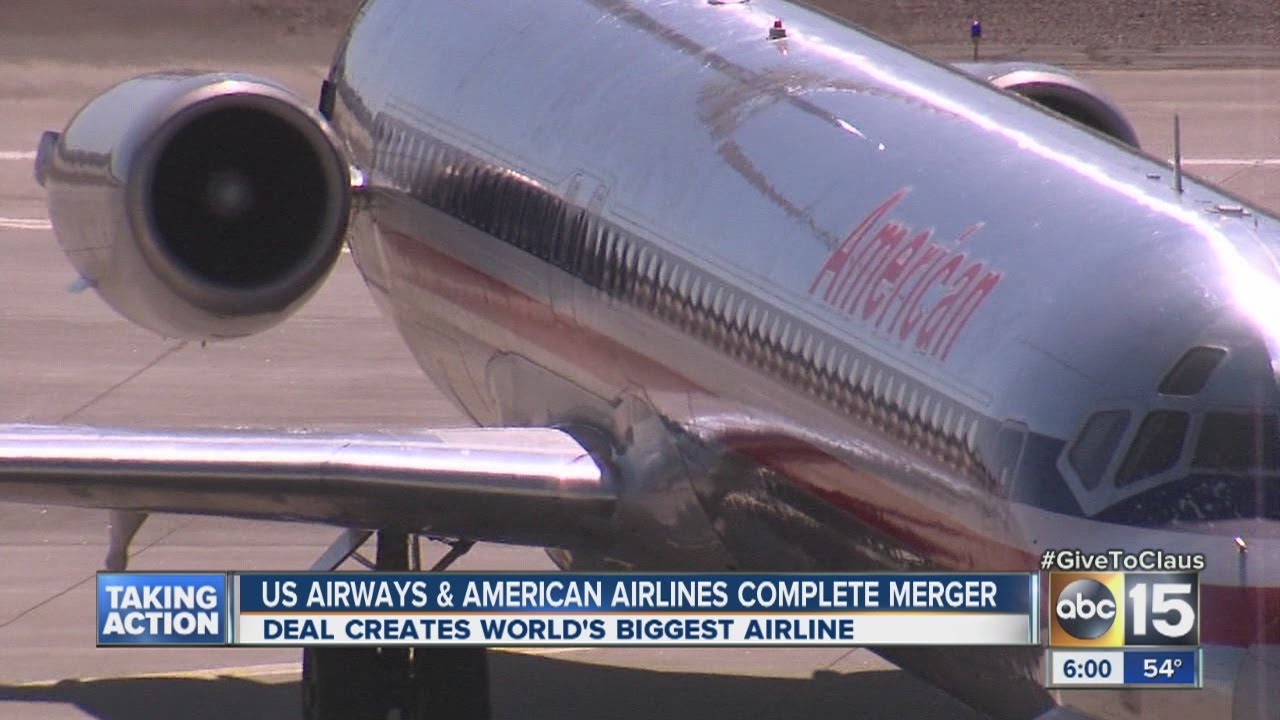
The idea of United and American merging isn’t new. For years, analysts have speculated about a possible “mega merger” between two of the “Big Three” U.S. carriers. Together, United and American operate over 1,000 aircraft and serve nearly every major domestic and international route. A combination would create the largest airline in the world by available seat miles.
But American Airlines’ leadership has consistently rejected the notion. In internal communications, American’s executives cite antitrust concerns, cultural misalignment, and shareholder value preservation as key reasons for declining talks.
Kirby, however, sees it differently.
In a recent interview, he argued that the refusal “smacks of short-term thinking.” He pointed to United’s successful integration of Continental Airlines in 2010 as proof that large-scale mergers can work. “We’ve shown it’s possible to merge two complex airlines and come out stronger,” Kirby said. “Refusing to even talk about it now is a disservice to employees, customers, and investors.”
The Strategic Case for Consolidation
From United’s perspective, a merger isn’t just about scale—it’s about survival. Consider these factors:
- Global Competition: Emirates, Qatar Airways, and Singapore Airlines have leveraged government support to expand routes, upgrade fleets, and dominate premium travel. U.S. airlines lack that backing and must compete on efficiency and network strength.
- Fleet Modernization: New aircraft like the Boeing 787 and Airbus A350 offer 20–25% fuel savings. But they’re expensive. Combined purchasing power could accelerate fleet renewal.
- Route Optimization: Overlapping routes between United and American—especially transcontinental and transatlantic—create inefficiencies. A merged network could streamline operations and improve connectivity.
Without consolidation, Kirby warns, U.S. airlines risk ceding long-haul dominance to foreign carriers.
American’s Counterargument: Stability Over Scale
American Airlines isn’t backing down. CEO Robert Isom has emphasized that the company is focused on “executing our plan,” which includes improving on-time performance, upgrading cabins, and restoring employee morale after years of instability.
In a statement, Isom said: “We believe the best path forward is to strengthen American as an independent carrier. We’re not interested in distractions that could derail our progress.”

Behind the scenes, American’s board reportedly has deep reservations about antitrust scrutiny. A United-American merger would face fierce regulatory headwinds. The U.S. Department of Justice blocked the attempted merger between JetBlue and Spirit on competition grounds—imagine the scrutiny a United-American deal would face.
Moreover, American’s leadership believes it can grow through partnerships rather than absorption. Its joint ventures with British Airways, Iberia, and Japan Airlines already give it strong international reach—without the integration headaches.
The Cultural Hurdle
Even if regulators approved a merger, cultural integration would be a minefield.
- United, under Kirby, has leaned into operational precision, data-driven decision-making, and aggressive international expansion.
- American has struggled with legacy systems, union relations, and inconsistent customer service.
Merging two corporate cultures with such different operating rhythms could lead to internal friction—exactly what derailed earlier attempts at airline consolidation.
One former executive from the Delta-Northwest merger recalled: “It took five years just to align the pilot seniority lists. People forget how messy it gets.”
What This Means for Travelers
Consumers rarely benefit from airline consolidation—at least in the short term.
Historically, mergers have led to:
- Fewer route choices, especially on regional and secondary markets.
- Higher fares, as competition decreases.
- Service disruptions during integration phases.
But there are potential upsides:
- Better international networks: A combined United-American could offer more one-stop connections to Asia and Europe.
- More unified loyalty programs: Imagine earning and redeeming miles seamlessly across what would be a coast-to-coast, globe-spanning network.
- Investment in modern cabins and in-flight Wi-Fi, funded by merger-related cost savings.
Still, the track record is mixed. After the United-Continental merger, customers endured years of inconsistent service, outdated planes, and IT system failures. It took nearly a decade to stabilize.
Industry Analysts Weigh In The debate has split aviation experts.
Bullish on merger potential:
- Helane Becker, analyst at Cowen: “A United-American combo could finally give U.S. carriers the scale to compete globally. The antitrust concerns are real, but not insurmountable if they offer concessions.”
- Ray Neidl, aerospace analyst: “With Boeing’s production issues and rising fuel costs, scale matters more than ever. This is about efficiency, not monopoly.”
Skeptical of the timing:
- Hunter Keay, managing director at Wolfe Research: “This feels like United distracting from its own operational issues. American’s right to say no. The DOJ would kill this in weeks.”
- Sandy Angulo, travel industry consultant: “Consumers don’t trust big airlines anymore. Another merger would feel like a slap in the face.”
One consensus point: if a merger were to happen, it would need to be structured carefully—perhaps as a holding company with separate brands, or with significant divestitures to appease regulators.
Could Politics Decide the Fate?
Airline mergers aren’t just business decisions—they’re political ones.
A United-American merger would eliminate one of the “Big Three” carriers, leaving only Delta, United-American, and a smaller American (if forced to spin off assets). That level of concentration would spark outrage in Congress, especially from lawmakers representing cities with major American hubs—like Dallas, Charlotte, and Miami.
Labor unions would also play a pivotal role. The Association of Flight Attendants and the Air Line Pilots Association have historically opposed mergers that threaten job security or lead to pay cuts.
But there’s a flip side: if the merged airline promised investments in regional airports, job creation, and improved infrastructure, it could gain political support.
For now, though, the White House has signaled skepticism toward consolidation in any industry. The Biden administration blocked the JetBlue-Spirit deal and has strengthened antitrust enforcement. A United-American merger would face an uphill battle.
What’s Next for United?
With American refusing to talk, United’s options are limited.
The airline could:
- Pursue deeper international joint ventures, especially in the Pacific and Latin America.
- Acquire a regional carrier or low-cost subsidiary to expand reach without triggering antitrust alarms.
- Double down on technology, using AI for scheduling, customer service, and fuel optimization to gain an edge.
Kirby hasn’t ruled out future talks. “If American changes its mind,” he said, “we’re ready to have that conversation.”
But for now, the door remains closed.
A Reality Check on Airline Mergers
Not all mergers fail—but most deliver less than promised.
| Merger | Announced | Key Promise | Long-Term Outcome |
|---|---|---|---|
| United-Continental | 2010 | Seamless global network | Years of IT failures, customer frustration |
| Delta-Northwest | 2008 | Cost savings, better service | Successful integration, now industry benchmark |
| American-US Airways | 2013 | Stronger East Coast presence | Improved profits, but service lags |
| Alaska-Virgin America | 2016 | Premium brand expansion | Smooth integration, brand phased out |
The lesson? Integration capability matters more than the deal itself.
The Bottom Line
Scott Kirby’s critique of American Airlines isn’t just corporate theater. It’s a strategic play to shift the narrative—and possibly apply public pressure.
But American’s refusal isn’t irrational. The risks—regulatory, cultural, operational—are immense. And the benefits, while real, aren’t guaranteed.
For travelers, employees, and investors, the stalemate may be the best outcome—for now. It forces both airlines to compete on performance, not consolidation.
United should focus on executing its own strategy: modernizing its fleet, improving customer service, and expanding its international footprint through partnerships, not acquisitions.
If American ever changes its mind, the conversation can restart. But until then, the battle will be fought in the skies—not the boardrooms.
Frequently Asked Questions
Why did United want to merge with American Airlines? United sees a merger as a way to gain scale, reduce costs, and better compete with global carriers. CEO Scott Kirby believes consolidation is essential for long-term viability.
Why did American Airlines reject the merger talks? American cited antitrust concerns, cultural differences, and a commitment to growing as an independent airline. Leadership believes it can succeed without merging.
Would a United-American merger be legal? It would face significant regulatory hurdles. The U.S. Department of Justice has recently blocked airline mergers over competition concerns, making approval unlikely without major concessions.
How would a merger affect airline employees? Mergers often lead to job reductions, especially in overlapping roles like customer service, maintenance, and management. Union negotiations would be critical.
Would customers pay more if United and American merged? Possibly. Reduced competition typically leads to higher fares, especially on routes where both airlines currently operate.
Has United merged with another airline before? Yes—United merged with Continental Airlines in 2010. The integration was rocky but eventually successful, creating today’s United Airlines.
Could American change its mind in the future? Yes. If market conditions worsen or if United offers compelling terms, American could reconsider. But for now, leadership remains opposed.
FAQ
What should you look for in United CEO Slams American Airlines Over Merger Rejection? Focus on relevance, practical value, and how well the solution matches real user intent.
Is United CEO Slams American Airlines Over Merger Rejection suitable for beginners? That depends on the workflow, but a clear step-by-step approach usually makes it easier to start.
How do you compare options around United CEO Slams American Airlines Over Merger Rejection? Compare features, trust signals, limitations, pricing, and ease of implementation.
What mistakes should you avoid? Avoid generic choices, weak validation, and decisions based only on marketing claims.
What is the next best step? Shortlist the most relevant options, validate them quickly, and refine from real-world results.